Thylacine Tasmanian Tiger. Thylacine , ( thylacinus cynocephalus ), also called marsupial wolf, tasmanian tiger , or tasmanian wolf , largest carnivorous marsupial of recent times, presumed extinct soon after the last captive individual died in 1936. Anyways help spread the message, and help others by maybe giving money to a fund! The thylacine got the nickname the tasmanian tiger or the tasmanian wolf because it looked and acted like a strange combination of the two animals. It was the only member of the family thylacinidae to survive into modern times. The tasmanian tiger, or thylacine, is considered to have gone extinct in 1936 when the final specimen died in captivity at hobart zoo. For the cricket team, see tasmanian tigers. Eight recent sightings suggest the creature may still exist. The world's largest marsupial carnivore, the thylacine was commonly known as the tasmanian tiger, due to the distinctive stripes on its back. It is also known as the tasmanian tiger or tasmanian wolf. An extinct species of carnivorous marsupial from australia. However, a number of recent sightings have reignited the discussion about the animals continued existence on the australian mainland. Photograph of a young male at beaumaris zoo, about 1936. The tiger was a member of the thylacine family of carnivorous marsupials. The last tasmanian tiger died in captivity more than 80 years ago — or so we thought. Подписчиков, 1,346 подписок, 998 публикаций — посмотрите в instagram фото и видео thylacinus cynocephalus (@tasmanian_tiger_page).
Thylacine Tasmanian Tiger - Collecta Thylacine (Tasmanian Tiger) 88767 | Free Shipping
THE TASMANIAN TIGER - Thylacine |The Garden of Eaden. However, a number of recent sightings have reignited the discussion about the animals continued existence on the australian mainland. Thylacine , ( thylacinus cynocephalus ), also called marsupial wolf, tasmanian tiger , or tasmanian wolf , largest carnivorous marsupial of recent times, presumed extinct soon after the last captive individual died in 1936. For the cricket team, see tasmanian tigers. It is also known as the tasmanian tiger or tasmanian wolf. The world's largest marsupial carnivore, the thylacine was commonly known as the tasmanian tiger, due to the distinctive stripes on its back. Anyways help spread the message, and help others by maybe giving money to a fund! Подписчиков, 1,346 подписок, 998 публикаций — посмотрите в instagram фото и видео thylacinus cynocephalus (@tasmanian_tiger_page). The tiger was a member of the thylacine family of carnivorous marsupials. Photograph of a young male at beaumaris zoo, about 1936. An extinct species of carnivorous marsupial from australia. Eight recent sightings suggest the creature may still exist. The last tasmanian tiger died in captivity more than 80 years ago — or so we thought. The thylacine got the nickname the tasmanian tiger or the tasmanian wolf because it looked and acted like a strange combination of the two animals. The tasmanian tiger, or thylacine, is considered to have gone extinct in 1936 when the final specimen died in captivity at hobart zoo. It was the only member of the family thylacinidae to survive into modern times.
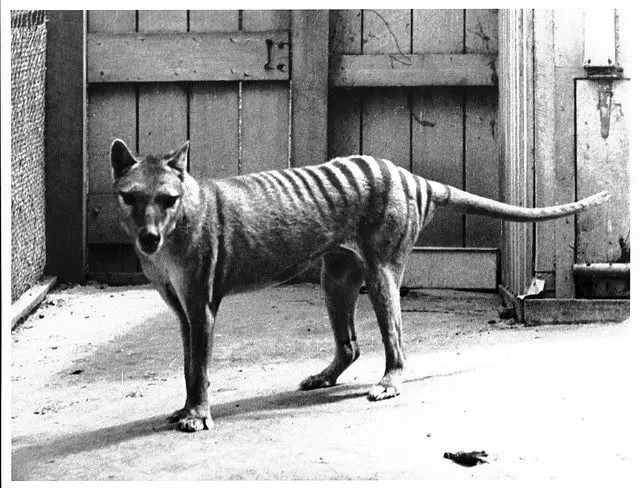
Anyways help spread the message, and help others by maybe giving money to a fund!
$1m) reward for the capture of a live thylacine. It was the largest marsupial predator to survive until the arrival of europeans but carried its babies in a pouch like a kangaroo or koala. The tasmanian tiger, or thylacine, is considered to have gone extinct in 1936 when the final specimen died in captivity at hobart zoo. The tiger was a member of the thylacine family of carnivorous marsupials. The thylacine is a carnivorous marsupial of tasmania, resembling a large dog, with a brownish coat and dark stripes across its back. Yet as biologists investigate plausible sightings, it's clear the search never stopped. Подписчиков, 1,346 подписок, 998 публикаций — посмотрите в instagram фото и видео thylacinus cynocephalus (@tasmanian_tiger_page). Waters says the way the animal walks is also like that of thylacine, as opposed to a. The tasmanian tiger becomes extinct. Thylacine, tasmanian tiger, tasmanian wolf (thylacinus cynocephalus). Is this a live tasmanian tiger? Thylacine tasmanian tiger wolf replica jaws teeth cast reproduction taxidermy | ebay. However, a number of recent sightings have reignited the discussion about the animals continued existence on the australian mainland. The last tasmanian tiger died in captivity more than 80 years ago — or so we thought. Tasmanian farmer wilfred batty poses with a thylacine shot at his property in 1930, now thought to be the last tasmanian tiger in the wild. The tasmanian tiger was declared extinct in 1986. The tasmanian tiger, or thylacine, was one of australia's most enigmatic native species. Photograph of a young male at beaumaris zoo, about 1936. Learn more about the thylacine: Dpipwe occasionally receives reports of thylacine sightings and. Tourism tasmania & rob burnett. Footage shot in february in the adelaide hills purports to show a thylacine, commonly known as the tasmanian tiger, walking behind garbage bins in a suburban street. Though, like the tasmanian devil, the thylacine is now very rare, being forced out of its natural habitat by the march of civilization, the narrator says it was found within a forgotten 1935 travelogue called tasmania the wonderland, by researchers at the tasmanian tiger archives, a group that. There are two of them in this video and one of them has significanly shorter back legs than the other. The extinct tasmanian tiger, or thylacine, bears an uncanny resemblance to today's canines. Whereas in the footage the heel of the foot is quite high, like in coul still be a thylacine. Man claims to have captured thylacine extinct since 1936 on researchers claim to have footage of a tasmanian tiger in south australia it was posted online by the thylacine awareness group of australia Tasmanian tigers have noticeably stockier back legs, their foot is much smaller and closer to the ground. The world's largest marsupial carnivore, the thylacine was commonly known as the tasmanian tiger, due to the distinctive stripes on its back. Tragically, the last known thylacine died in hobart in 1936 after a bounty was. New vision of tasmania's last captive thylacine, or tasmanian tiger, is unearthed by tiger enthusiasts digging through the national film and sound archives.
